
Compounded medications are not approved or evaluated by the FDA for safety, effectiveness, or quality. Rx required. Testosterone Rx is not available in all 50 states.













Pill, combo, oral replacement, or injection. A licensed provider reviews your intake and labs, then decides what fits your body and your goals.

For the guy who wants his T moving and his timing back. Enclomiphene supports natural testosterone pathways while tadalafil supports sexual performance.

A daily prescription option that helps stimulate your body’s own testosterone production. No synthetic testosterone needed when enclomiphene is the right fit.

FDA-approved testosterone replacement in pill form for eligible men with confirmed low T. No needles, no bathroom mirror ritual.

A direct testosterone replacement option for eligible men whose labs and symptoms point to TRT. Simple weekly rhythm, clinician guided.

Testosterone is tied to muscle mass, strength, energy, and the way your body responds to training.
Low testosterone can show up as low energy, lower mood, lower libido, and the slow fade men get told to ignore.
Your plan starts with intake and labs, so your provider is working from numbers instead of vibes.

Enclomiphene options can support natural testosterone pathways, with tadalafil available when performance belongs in the same conversation.

Proof goes next to the claim. No magic dust, no mystery capsules.
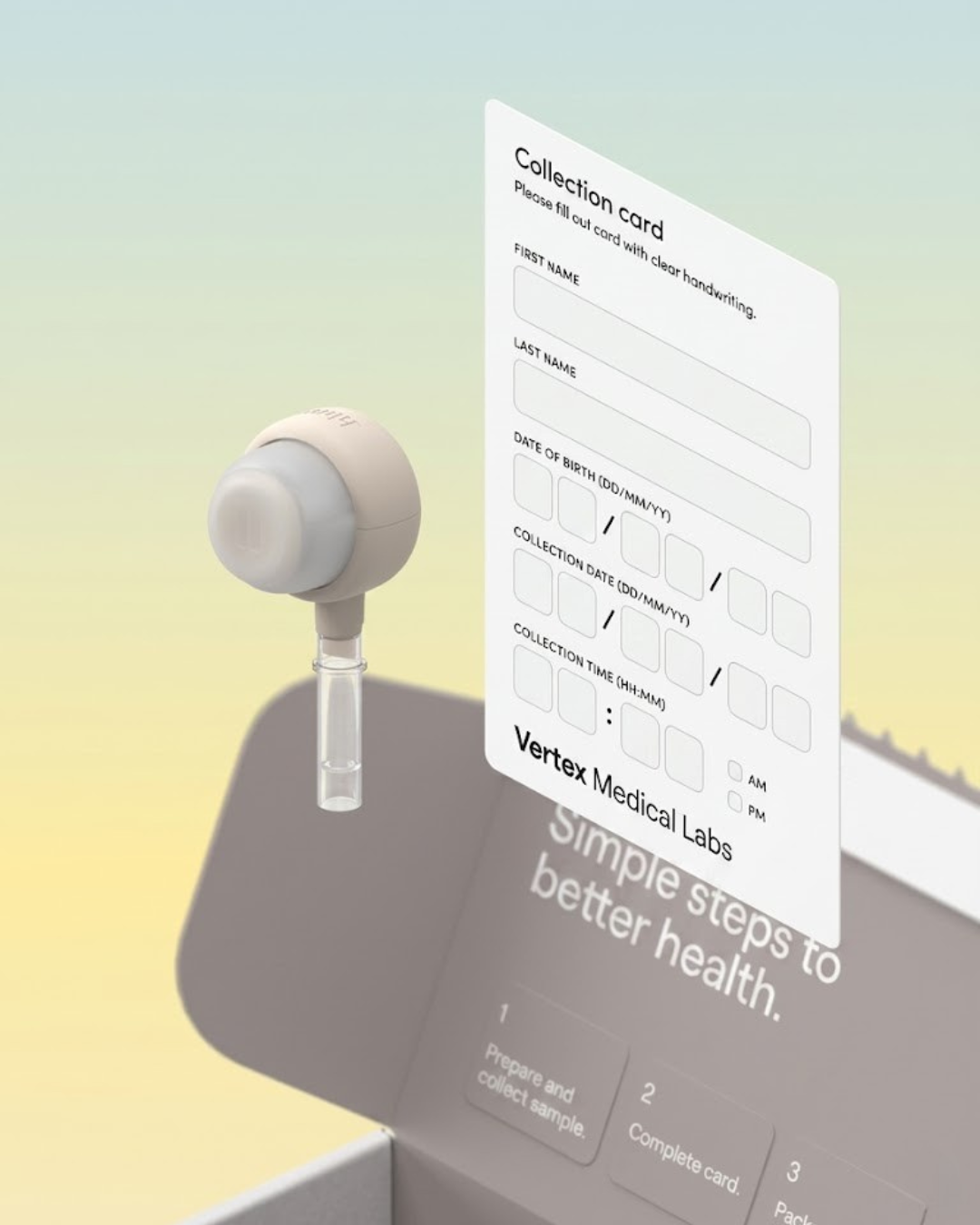
Testosterone care should start with numbers. That is how you avoid another expensive hunch.
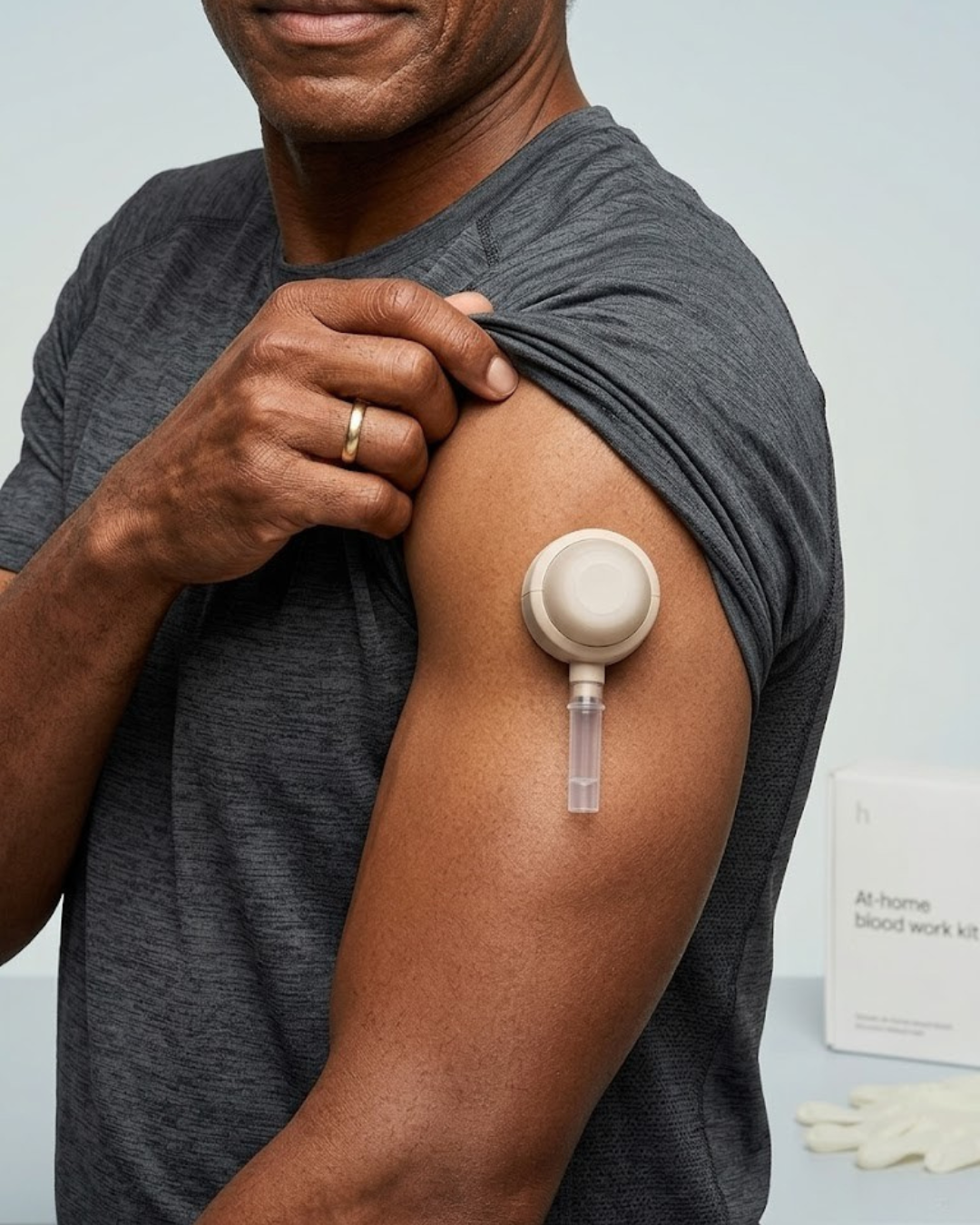
Collection and follow-up are part of how your provider keeps treatment tied to your actual numbers.

Follow-up labs and care-team access help your plan stay tied to how you are actually responding.
Enclomiphene can help signal your body to make more testosterone instead of replacing it from the outside. TRT can be right too. The point is choosing from your labs, not from a locker-room story.
Find my treatment
1. Seen in a randomized study of enclomiphene citrate in 44 men with
secondary hypogonadism for 6 weeks.
2. Seen in a small study of
46 men with low testosterone taking enclomiphene citrate for at
least 3 months.
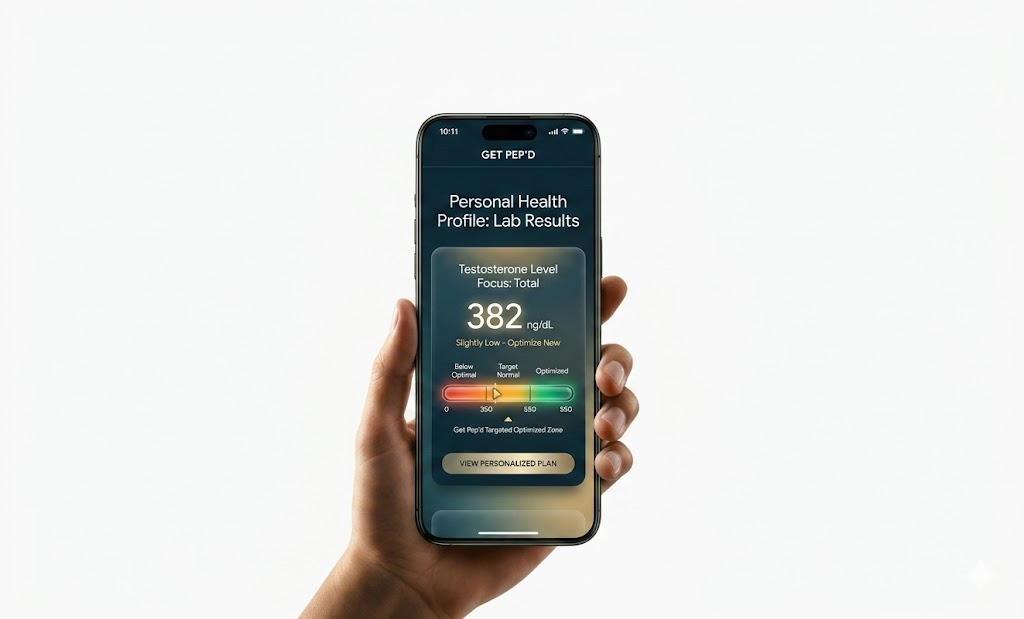
Start with a quick intake about energy, muscle, mood, libido, medical history, and what you want back.
If labs are needed, an at-home kit helps your provider see where your testosterone actually sits.
A licensed provider reviews your intake and labs, then prescribes only if a treatment actually fits.
Follow-up labs and provider check-ins help keep your plan tied to your body, not somebody else’s protocol.
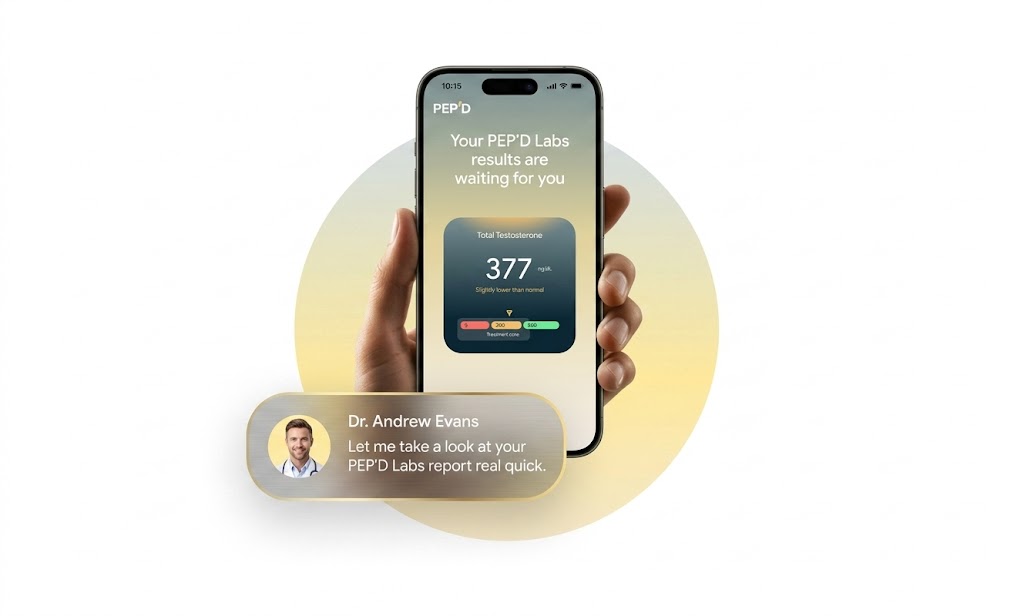
Your plan is not picked from a bro forum. A licensed provider reviews your intake, labs, goals, and risk factors first.
Testosterone care should start with bloodwork. Labs help your provider see what is low, what is risky, and what fits.
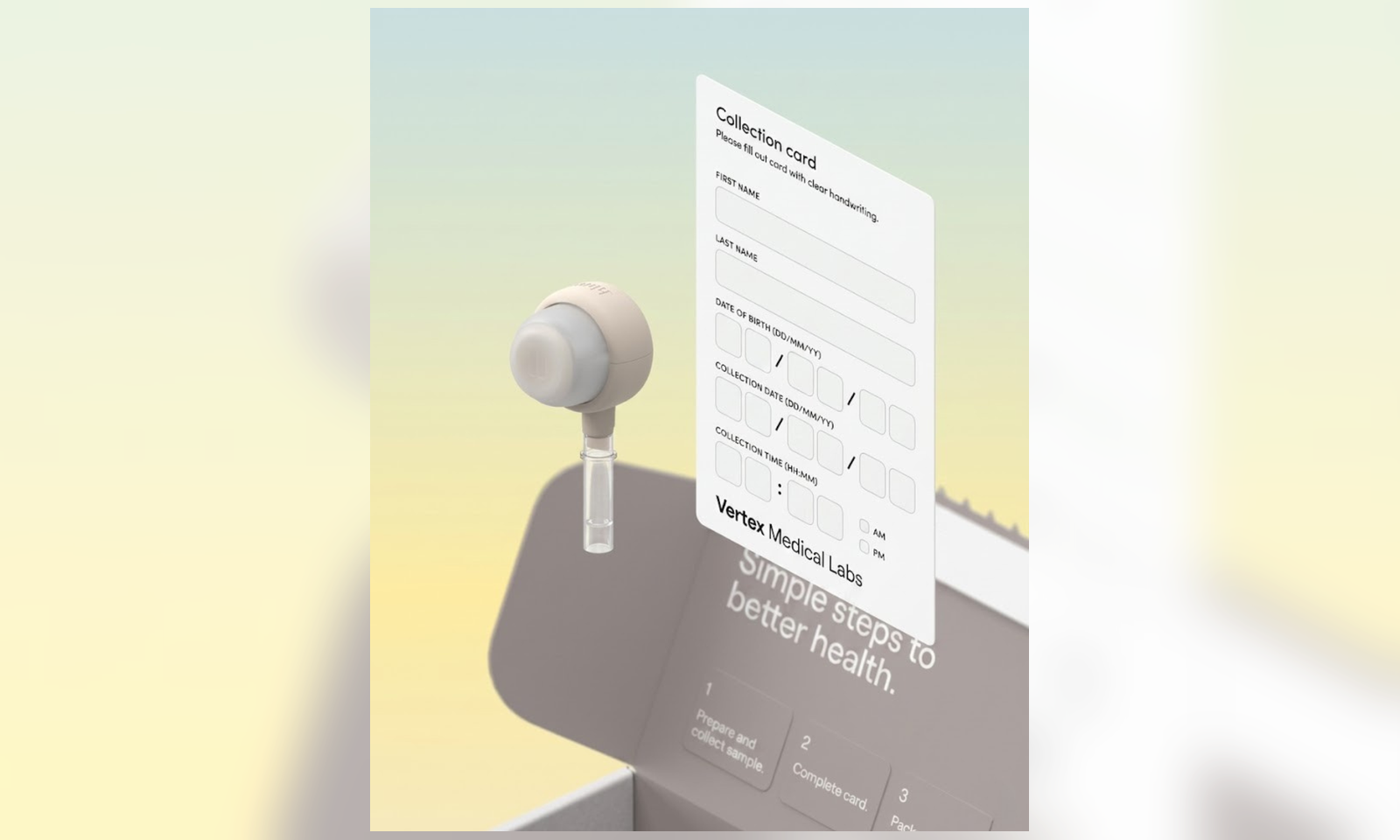
When labs are needed, the collection step can happen from home and feed directly into your provider’s review.
Enclomiphene, tadalafil combo care, oral testosterone, and TRT are available when your provider decides they fit.
The short version: tell us what changed, check your numbers, and let a provider decide what actually fits.
Not always. Testosterone Rx can include options that support your body’s natural testosterone signaling, like enclomiphene, and testosterone replacement options, like oral or injectable testosterone. Your provider decides what is appropriate.
For testosterone care, labs are usually part of doing this the right way. They help your provider understand your baseline, evaluate eligibility, and monitor your response over time.
You can share your goals and preferences, but treatment is not a vending machine. A licensed provider reviews your intake and labs, then prescribes only if a treatment is medically appropriate.
Enclomiphene is a prescription option that can help stimulate the body’s own testosterone production. It is different from replacing testosterone from outside the body.
If it fits your case, tadalafil can be paired with enclomiphene to support sexual performance. Your provider will decide whether the combination is appropriate for you.
Results vary by person, medication, dose, baseline labs, and overall health. The point of follow-up is to see how your body is responding and adjust when appropriate.